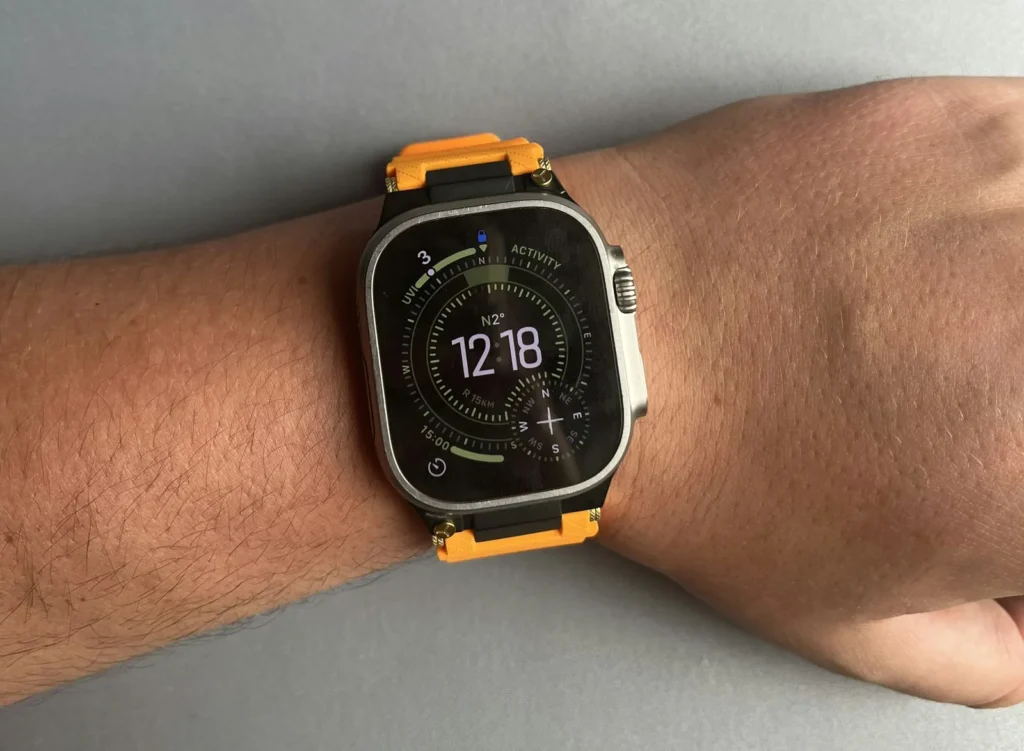
Watches for Activities: Matching the Watch to What You Do
Most “sports watch” marketing describes a look rather than a capability. What actually decides whether a watch survives an activity is four things: water resistance, crystal, crown type and weight.
Work down those four for the thing you actually do, and the choice narrows quickly — usually to something less specialised and less expensive than the marketing suggested.
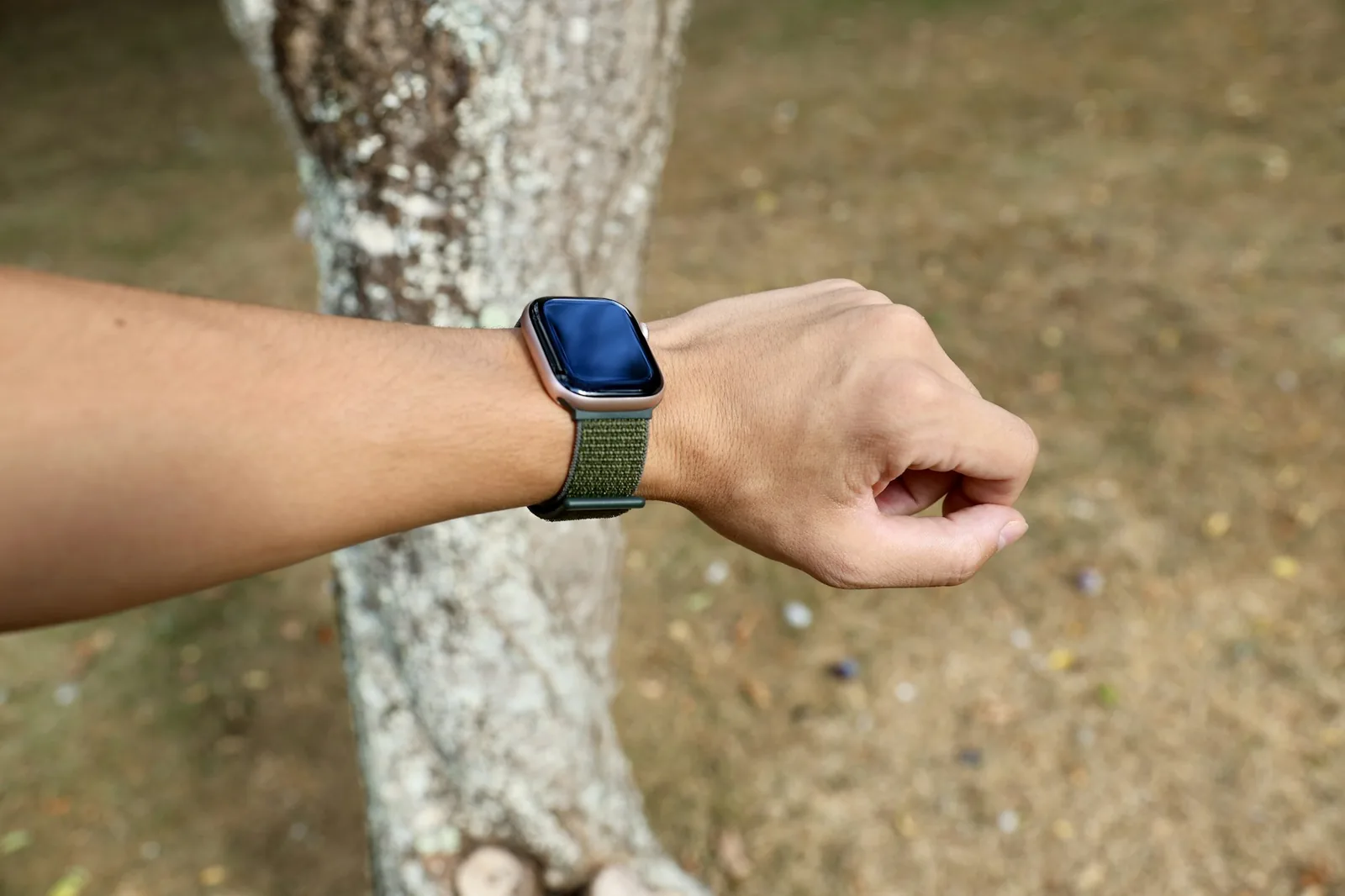
The four specifications that matter
| Activity | Water resistance | Crown | Also wants |
|---|---|---|---|
| Desk and daily wear | 50m and up | Any | Thin enough for a cuff |
| Swimming | 100m | Screw-down preferred | A strap that likes water |
| Snorkelling | 100m | Screw-down | Strong luminous markers |
| Scuba diving | 200m, marked as a diver’s watch | Screw-down | Unidirectional bezel |
| Running | 50m | Any | Light; resin or nylon strap |
| Gym and weights | 50m | Any | Low profile; ideally leave it off |
| Hiking and outdoors | 100m | Screw-down preferred | Legibility, sapphire, robust strap |
| Manual work | 100m | Screw-down | Impact resistance over looks |
Notice how much of the table says 100m. It is the practical floor for anything wet and the ceiling most people ever need, as the water resistance guide explains.
Swimming, and why 50m is not enough
A 50m rating comes from a static pressure test on a stationary watch. Swimming is not static: a stroke, a push off the wall or a dive off the side all add dynamic load the test never simulated.
A 50m watch will usually survive careful lengths. It has no margin left for anything else, and margin is the whole point of a rating.
Chlorine is the other consideration. It is chemically aggressive towards gaskets, so a watch that swims four times a week ages its seals considerably faster than the calendar suggests.
Rinse in fresh water afterwards, and have the seals checked annually rather than when something goes wrong.
Diving, where the standard actually means something
“200m water resistant” and “diver’s 200m” are different claims. The second is a specific standard, and a watch meeting it has been tested for thermal shock, crown impact, legibility in darkness and a timing device that cannot understate elapsed time.
The unidirectional bezel is the safety feature. Knocked accidentally, it can only make the elapsed time look longer than it was — never shorter.
A mechanical dive watch is a backup rather than a primary instrument for anyone diving seriously; the computer does the work. Training organisations such as PADI set out what equipment a diver is expected to carry.
For snorkelling and swimming, a good 100m sports watch does everything a diver’s watch would, with less bulk. The archive’s dive listings show how the category was specified commercially.

Running and the gym
Running asks for very little from a watch except that it be light and not annoying. A heavy watch on a bracelet slides and thumps; a resin or nylon strap does not.
If you want pace, distance or heart rate, that is a fitness tracker rather than a watch, and pretending otherwise leads to buying an expensive chronograph you never press.
The gym is the one activity where the honest advice is to take the watch off. Bars, racks and machines are exactly the impacts a watch case is worst at, and a knock while loading a barbell is how crystals chip.
If it stays on, keep it low-profile and on a strap you can wash. The strap guide covers which materials tolerate sweat.
Outdoors and manual work
Hiking, sailing and working with your hands share a requirement: the watch has to keep being readable after being knocked about.
That means sapphire over mineral if you can, because the crystal is what you look through and what takes the scratches. It means a screw-down crown, because branches and door frames catch crowns. And it means a strap that will not fail — the materials guide covers the trade-offs.
Legibility beats features here. A plain high-contrast dial read at a glance in poor light is worth more than three subdials.
Weight matters more than people expect over a long day. A watch that is fine for an hour becomes noticeable after eight.
Cold, heat and altitude
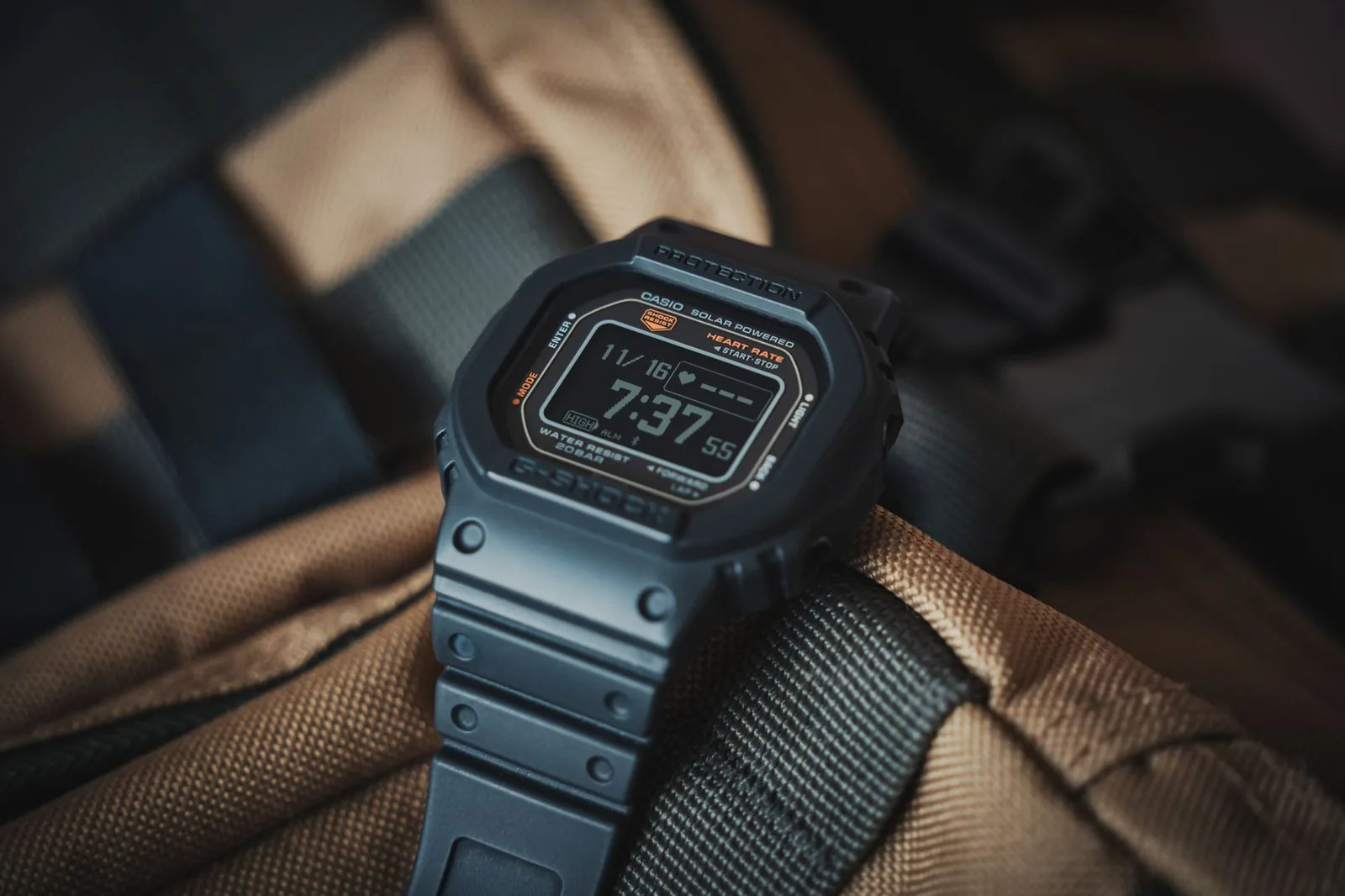
Temperature affects watches more than most owners notice, and the effects are opposite at the two extremes.
Cold thickens lubricant and slows the balance, so a mechanical watch worn outside in hard frost will typically run slow. It recovers as it warms and no harm is done.
Heat is the more serious direction. A watch left on a car dashboard in summer sun can exceed the temperature its gaskets are rated for, and repeated cycles age the seals quickly.
Altitude and cabin pressure are largely a non-issue for a sealed watch, since the pressure difference is small compared with what a water-resistance rating already covers.
Straps decide more than the case does
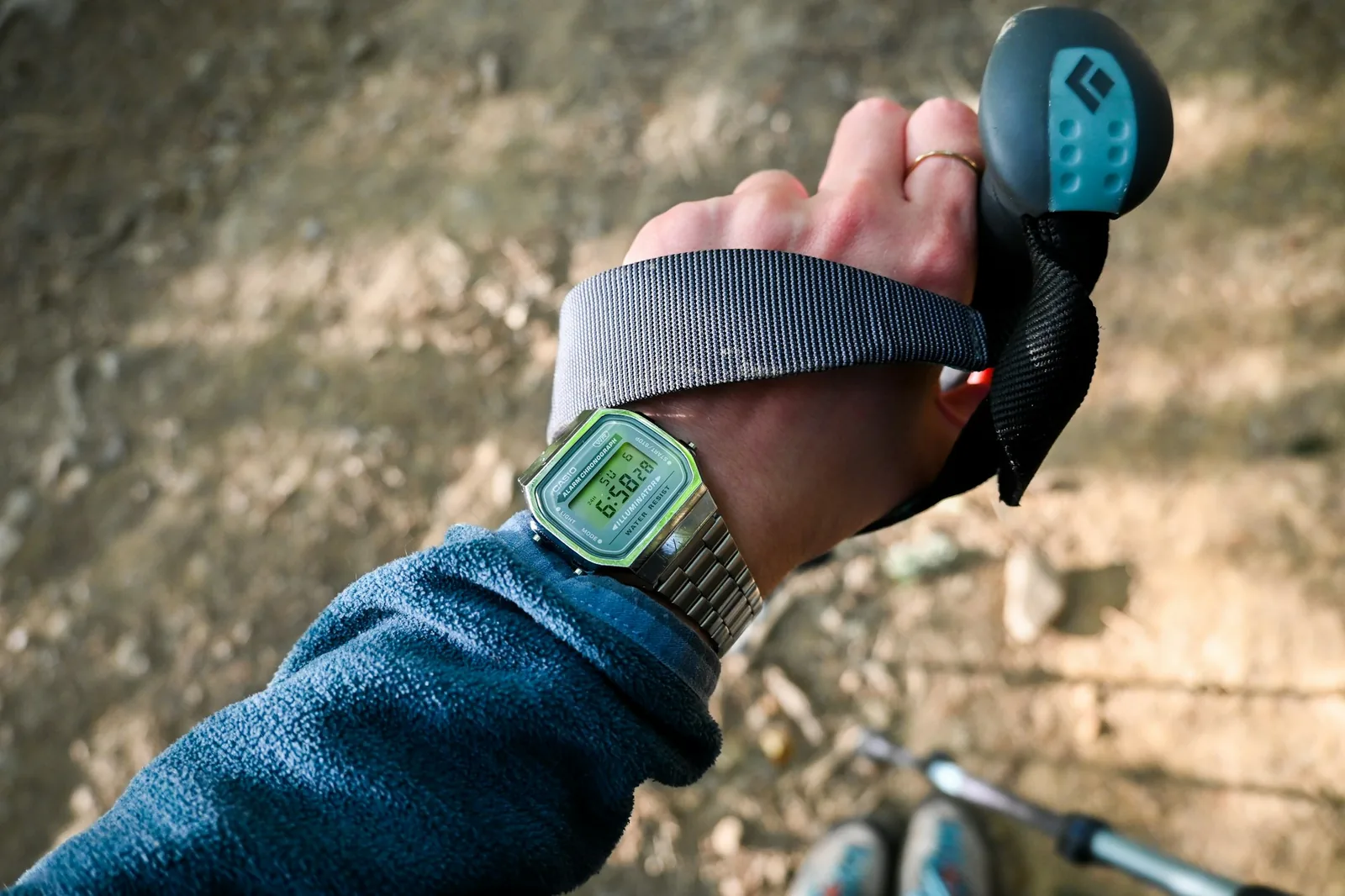
For an active life, the strap fails long before the watch does, and choosing it well removes most disappointments.
Leather is out for anything wet or sweaty; it absorbs, it smells and it cracks. Rubber and nylon both wash, dry quickly and cost little to replace.
A steel bracelet survives everything but traps water in the links, so rinse and dry it after the sea. It is also the heaviest option, which matters over a long day.
Keeping two straps for one watch is the cheapest way to make a single watch cover several activities — the strap guide covers the five-minute swap.
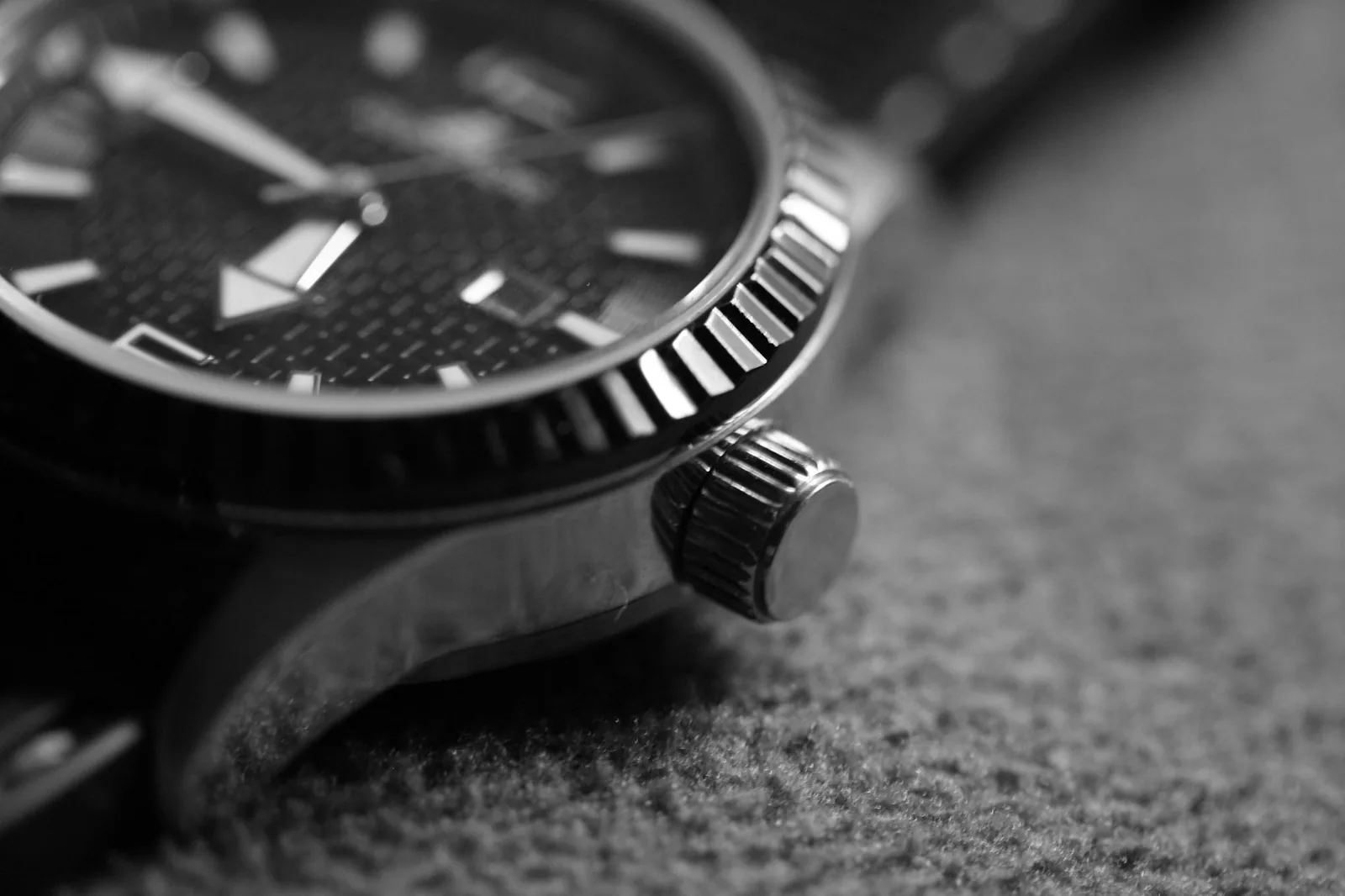
One watch for everything
If you only want one, the answer is almost always a 100m field or dive-style watch on a strap you can change.
That combination survives water, takes knocks, reads clearly, and looks unremarkable enough for an office. Swap to leather for formal occasions and it covers nine tenths of a life.
It is also, not coincidentally, the cheapest way to be adequately equipped. Specialisation costs money and narrows use.
The watch types guide covers what each style was designed to do, and the watch finder will filter the archive by feature if you want to see how these were specified in 2006.
Things that quietly damage sports watches
Four habits cause most of the avoidable damage, and none of them feels risky at the time.
- Operating the crown or chronograph pushers while the watch is wet.
- Wearing it in a hot shower, sauna or hot tub, whatever the rating says.
- Leaving salt water to dry on the case instead of rinsing it.
- Sun cream and insect repellent, both of which attack rubber straps and seals.
The first is the serious one. A crown opened underwater floods a watch that was perfectly sealed a second earlier, and the damage starts immediately.
Frequently asked questions
What water resistance do I need for swimming?
100m. Fifty will usually survive careful lengths, but it leaves no margin for pushing off a wall, diving in or a hard stroke — and dynamic pressure is exactly what the static rating does not account for.
Can I wear a watch to the gym?
You can, but it is the activity where taking it off makes most sense. Bars, racks and machines deliver precisely the impacts a case and crystal handle worst. If it stays on, keep it low-profile and on a washable strap.
Do I need a real diver’s watch to snorkel?
No. A good 100m sports watch handles snorkelling comfortably, with less bulk than a certified diver’s watch. The full standard matters when you are actually scuba diving and timing matters.
What is the best single watch for an active life?
A 100m field or dive-style watch with a screw-down crown, a sapphire crystal and easily changed straps. It survives water and knocks, reads clearly, and looks ordinary enough for an office.
Match the watch to the activity you do most, not the one you do twice a year. In practice that means a 100m case, a screw-down crown and a strap you can wash — which covers almost everybody.