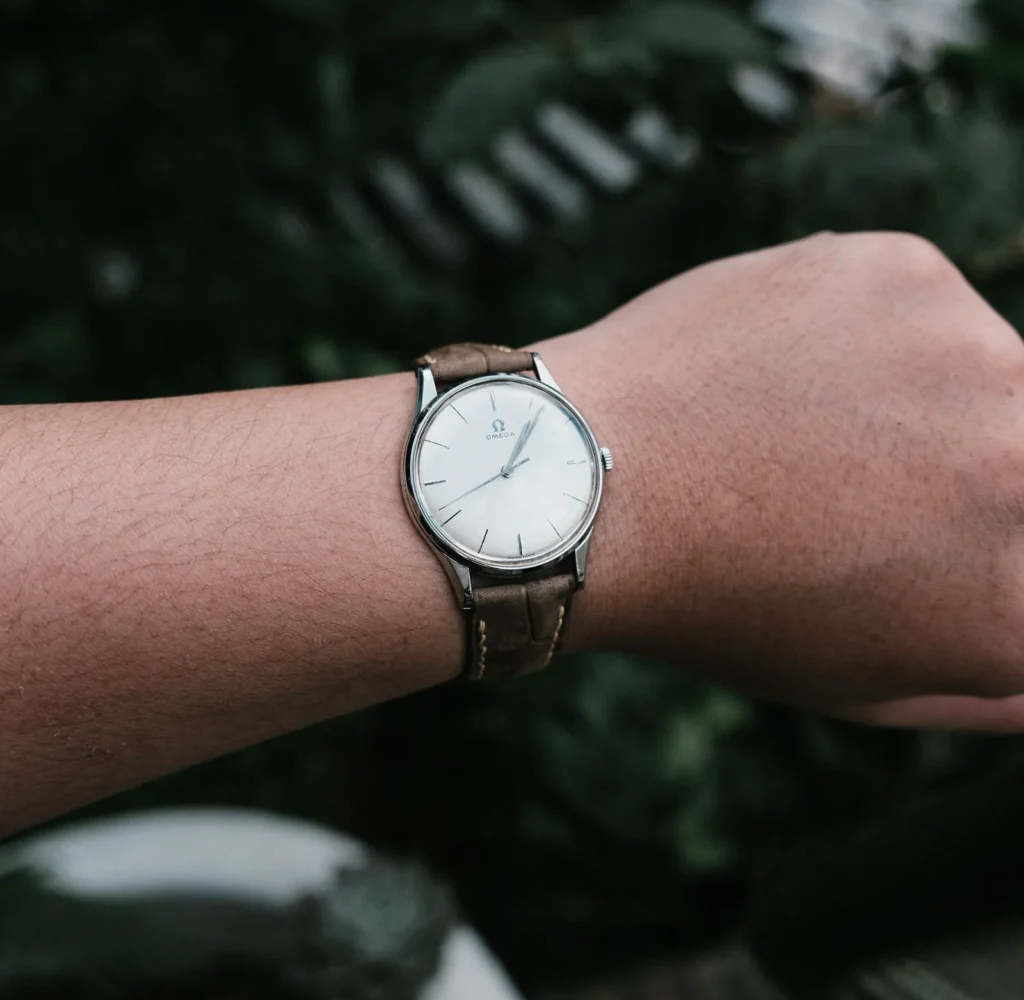
A smaller wrist does not need a smaller watch so much as a better proportioned one. Lug-to-lug, case thickness and the shape of the lugs decide whether a watch sits or perches, and all three matter more than the diameter everybody quotes.
The good news is that the whole market has moved back towards you. Cases peaked in the 2000s and have been shrinking since, so there is more choice now than at any point in the last twenty years.

Measure the flat, not the circumference
Wrist circumference is the number people quote and the one that helps least. What a watch actually sits on is the flat top of the wrist, between the points where it starts to curve away.
Measure that with a ruler, looking straight down. On a 6.25-inch wrist it is often only 40 to 45mm, which is less than the lug-to-lug of a great many watches sold as “medium”.
That single number is your ceiling. A watch whose lug-to-lug exceeds it will overhang, and the lug tips will lift away from the skin however good the strap is.
Our size and fit guide covers how to take both measurements properly. Everything below assumes you have.
What to look for, by number
| Dimension | Aim for | Why |
|---|---|---|
| Lug-to-lug | Under the flat width of your wrist | Decides whether the watch overhangs |
| Thickness | 11mm or less | A tall case on a narrow wrist reads as a block |
| Diameter | 34–38mm, but flexible | Matters least; proportion beats width |
| Lug shape | Curved, angled down | Buys several millimetres of apparent fit |
| Lug width | 18–20mm | A wide strap on a narrow wrist looks heavy |
| Bezel width | Narrow | A wide bezel shrinks the dial and wastes the diameter |
The last row catches people out. Two 38mm watches can show very different amounts of dial, and the one with the thin bezel will look better proportioned and read more easily.
Which types are proportioned for you
Some categories are structurally kind to a small wrist and some are structurally not, and it has little to do with the maker.
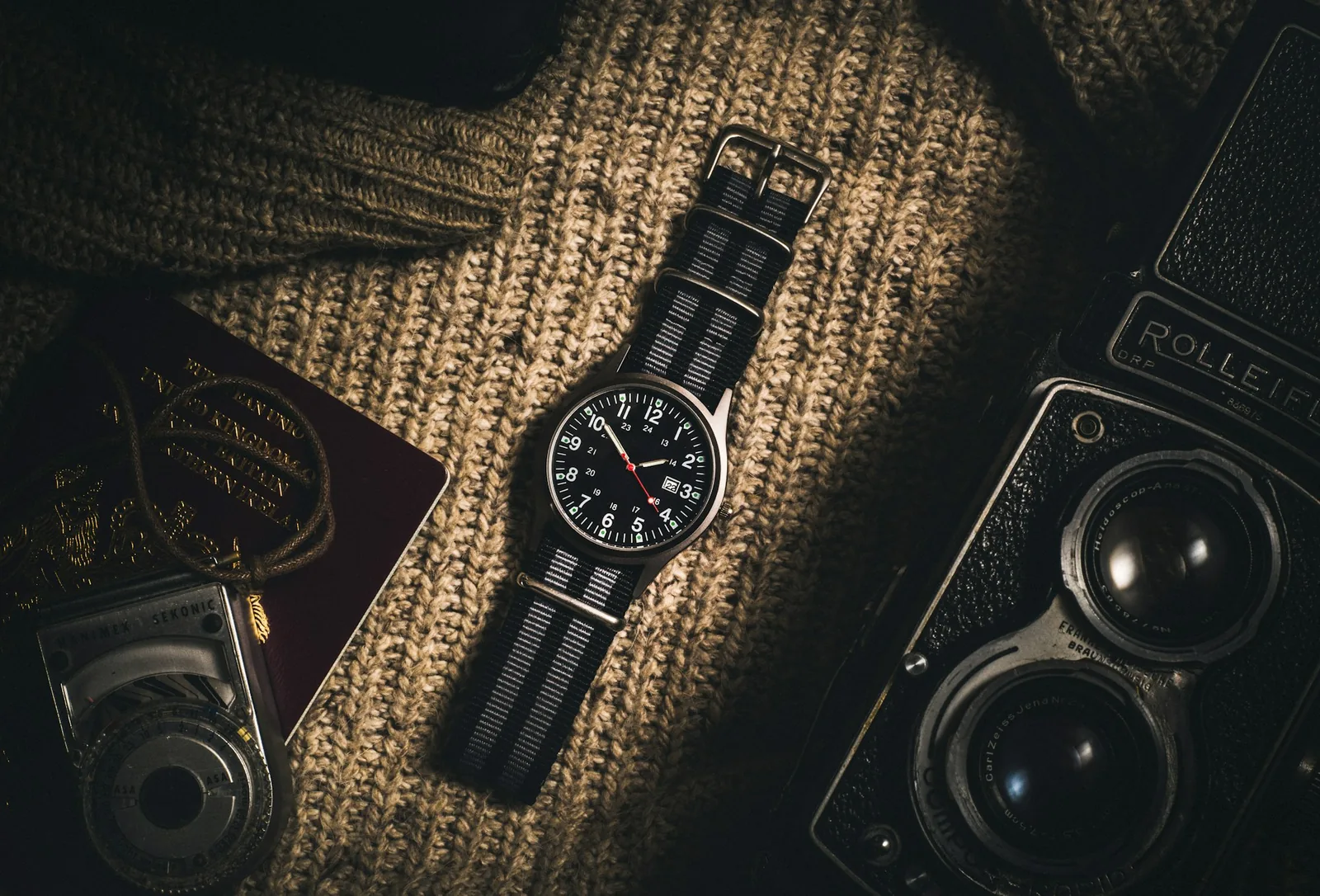
Field watches are the most reliable answer. They descend from military specifications that valued legibility over presence, so they are typically 34 to 38mm, thin, and flat-backed.
Dress watches are the next best, for the same reason: a case that has to pass under a cuff cannot be tall. Both are covered in the guide to watch types.
Dive watches are the hard case, because the bezel, the thick crystal and the domed back all add height and width. They can be made to work, but you are fighting the architecture rather than choosing with it.
Why watches got so big, and why it is easing
Wristwatches began small. Museum collections are full of early twentieth-century pieces at 30 to 34mm, because the wristwatch started as an adapted pocket watch and nobody had yet decided a watch should announce itself.
The V&A collections are a good place to see how modest early wristwatches were, and how recent the fashion for size actually is.
Cases grew steadily through the 1990s and 2000s. The catalogue preserved on this site is from the top of that curve — 2006 and 2007 — and plenty of entries in it read as large today.
That makes the archive a useful reference point rather than a shopping list. You can see how the same categories were proportioned then in the brand index.
How a dial reads at a given size
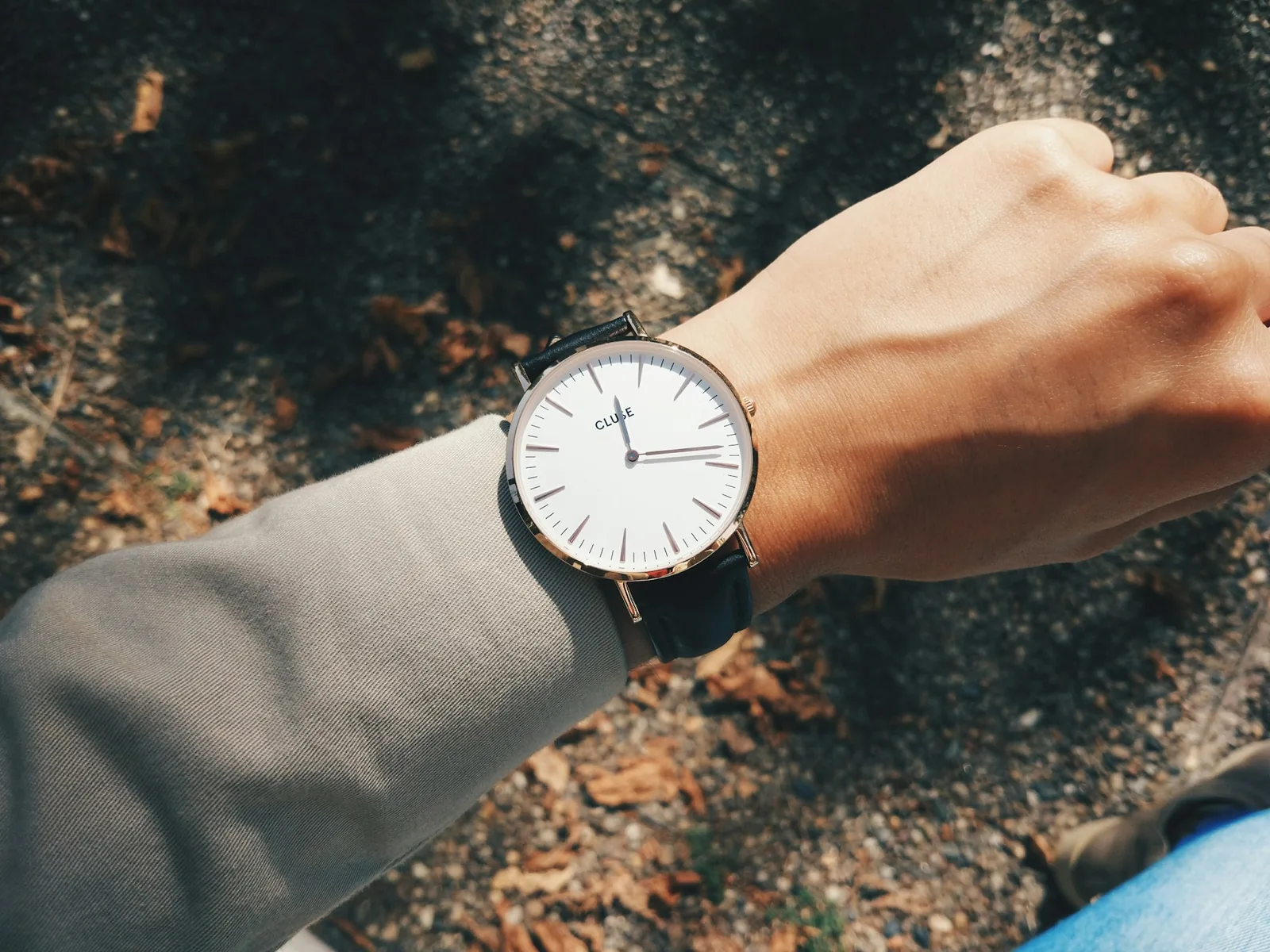
Two watches of the same diameter can look very different on the wrist, and most of the difference is in the dial rather than the case.
A wide bezel eats the dial. On a 38mm watch with a broad bezel, the dial opening might be no larger than a 34mm watch with a thin one, which wastes the size you were trying to use.
Busy dials also read larger. Subdials, a date window and a printed scale add visual weight, so a chronograph looks bigger than a three-hand watch of identical dimensions.
Colour plays into it too. A light dial expands and a dark dial recedes, which is why the same watch in white and in black can feel like two different sizes.
Vintage as the obvious answer
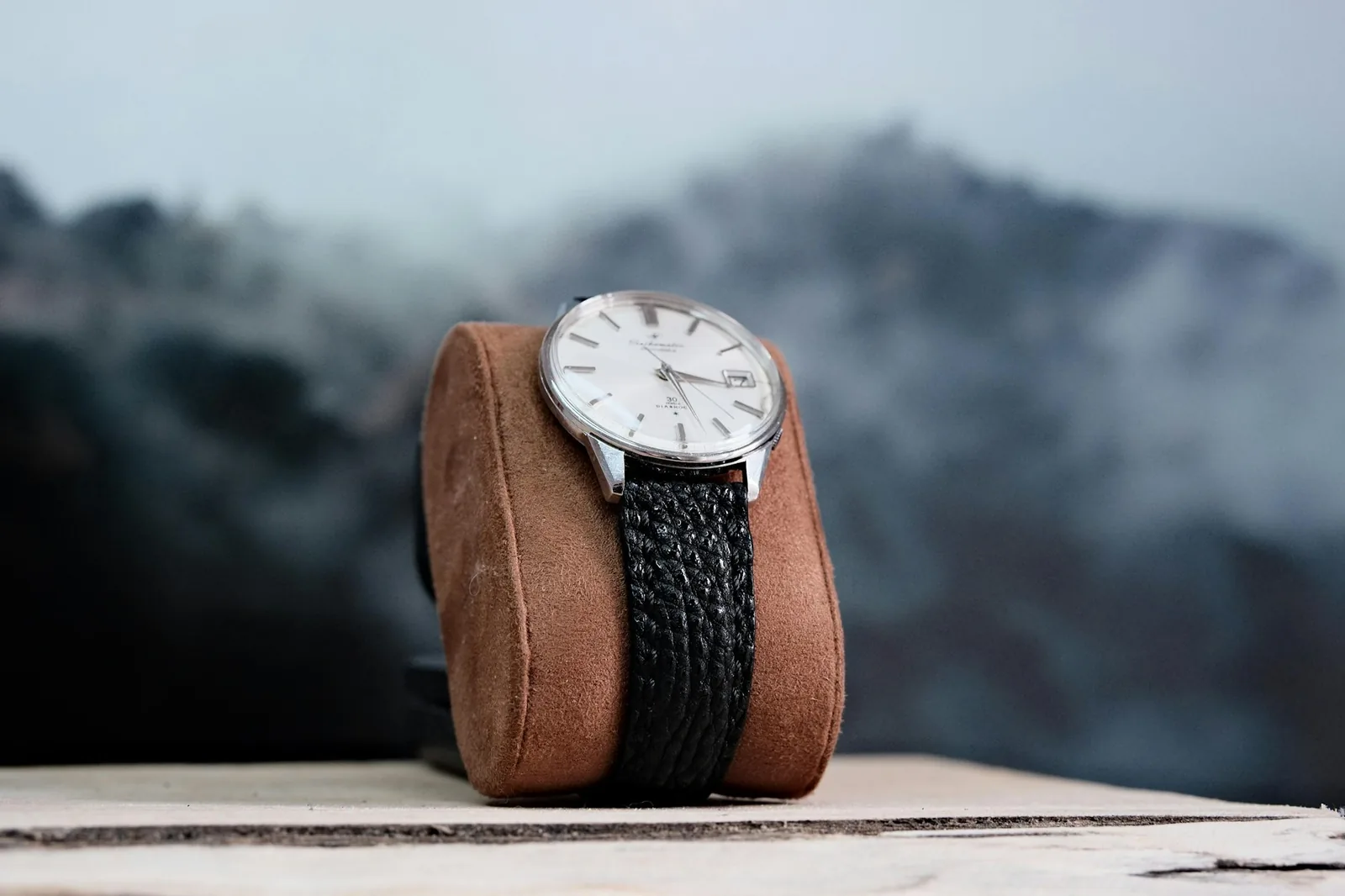
If modern sizing is the problem, the used market solves it immediately. Watches from before about 1990 are overwhelmingly in the 33 to 36mm range.
They are also generally thinner, because the movements were thinner and nobody was adding depth for presence. That combination is exactly what a smaller wrist wants.
The trade is the usual one with older watches: service history, originality and water resistance you should not rely on. The used buying checklist covers what to look for.
It is worth knowing this before paying a premium for a modern “small” release, since the same proportions have existed for decades at lower prices.
Fitting the strap to the wrist
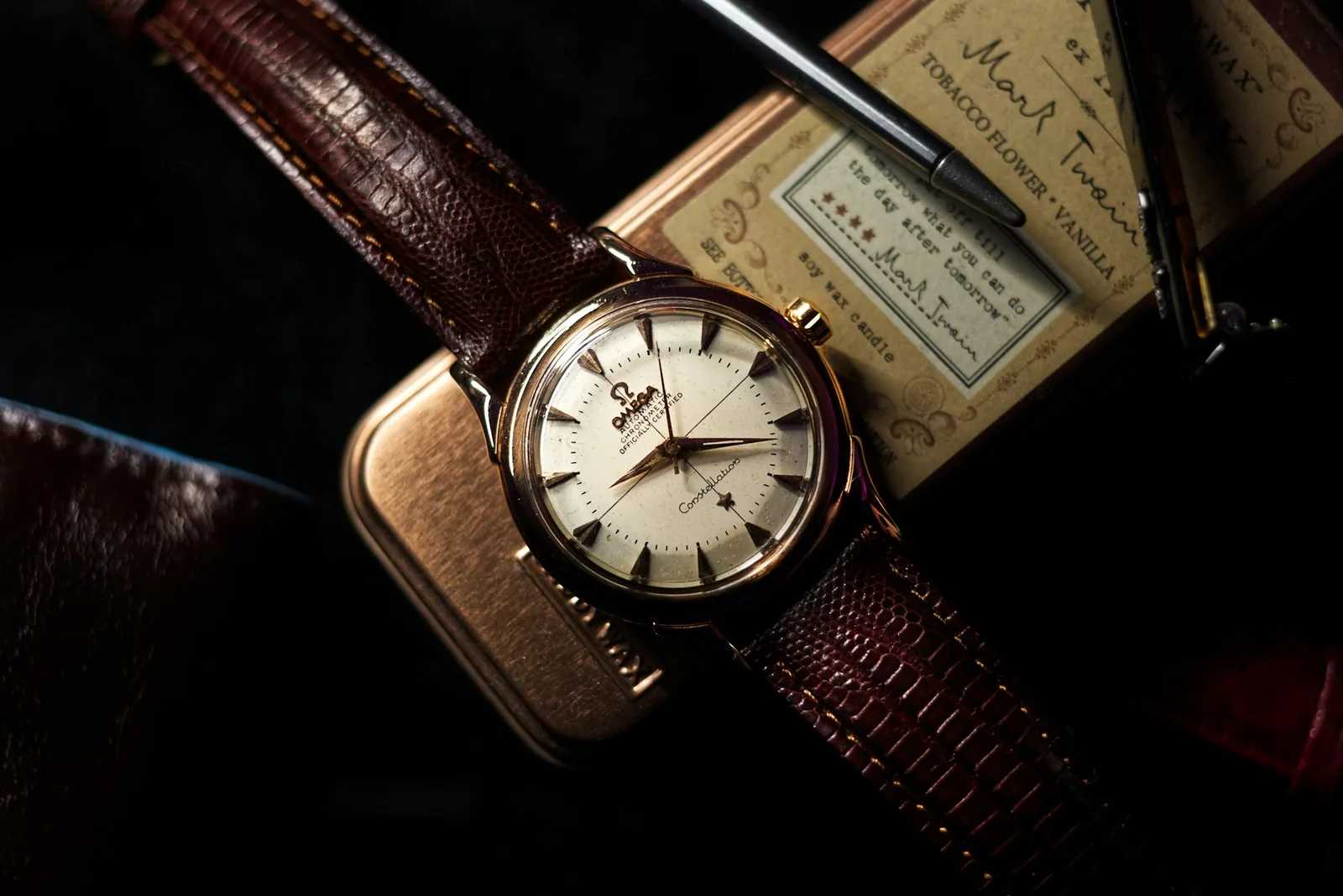
Half of what looks wrong on a small wrist is the strap rather than the watch.
A thick, padded strap adds height under a case that is already tall, and a wide one makes the wrist look narrower by comparison. A thinner, tapered strap does the opposite.
Bracelets need proper sizing rather than approximate sizing. Half-links and clasp micro-adjustment exist because the gap between two full links is often exactly the distance between comfortable and not.
If a bracelet cannot be made to fit, a well-chosen leather or nylon strap will usually improve both fit and proportion — the strap guide covers the sizing and the swap.
One more thing that costs nothing: wear the watch slightly further up the arm than feels natural. A centimetre back from the wrist bone puts the case on the widest part of the flat, and a watch that overhangs at the joint often does not there.
Trying watches on when the shop has none
Small watches are under-stocked because they were unfashionable for two decades. That leaves most buyers choosing from photographs.
Two things help. Wrist shots that state the wearer’s wrist size are far more informative than any specification table, and enough enthusiasts publish them that most popular models are covered.
Failing that, print the case at actual size, cut it out, and put it on your wrist. It feels ridiculous and it answers the question in thirty seconds.
Whatever you do, do not order on diameter alone. A 36mm watch with 48mm lug-to-lug will overhang a wrist that a 39mm watch with 45mm lug-to-lug fits perfectly.
Frequently asked questions
What size watch is best for a small wrist?
Aim for lug-to-lug under the flat width of your wrist and thickness of 11mm or less. Diameter usually lands between 34 and 38mm as a result, but it is the outcome rather than the target.
Can someone with a small wrist wear a 40mm watch?
Often yes, if the lugs are short and curved and the case is thin. A well-proportioned 40mm watch can sit better than a badly proportioned 37mm one, which is why lug-to-lug is the number to check.
Are dive watches too big for smaller wrists?
They are the hardest category, because the bezel, crystal and case back all add height and width by design. Some work well, but you are choosing against the architecture rather than with it.
Does the strap affect how big a watch looks?
Considerably. A thick padded strap raises the case and a wide one makes the wrist look narrower. A thinner tapered strap does the opposite, and it is the cheapest change you can make.
Take the flat width of your wrist, treat it as a hard ceiling for lug-to-lug, and let diameter fall where it falls. Proportion is what makes a watch look like it belongs there.