A used watch gets you more watch for the money and hands you somebody else’s maintenance history. The first half is why people buy second hand; the second half is what determines whether it was a good idea.
Almost every regret in the used market comes down to one of four things: a service that was never done, parts that are not original, damage that was hidden, or a seller who cannot be found afterwards. This is how to check for all four before the money moves.
Start with the seller, not the watch
The condition of a watch can be assessed. The honesty of a seller mostly cannot, which is why it is worth settling first.
A dealer with a physical address, a stated returns policy and a warranty is charging a premium for exactly those things. A private seller is cheaper because you are absorbing the risk they would otherwise carry.
Neither is wrong. What matters is knowing which deal you are in, and pricing accordingly rather than expecting dealer protection at private-sale prices.
If the sale is online, your rights depend on who you bought from and how you paid. The Citizens Advice consumer pages set out the difference between buying from a trader and buying from a private individual, and it is a bigger difference than most buyers assume.
The checklist, in order
| Check | What you are looking for | If it is wrong |
|---|---|---|
| Service history | Dated receipts, or a movement that runs to rate | Budget a full service straight away |
| Dial | Even printing, no staining, lume intact | Expensive; a redial destroys value |
| Crystal | Scratches, chips at the edge | Cheap on most watches |
| Case | Sharp edges, original proportions | Over-polishing cannot be undone |
| Bracelet | Stretch between links, worn clasp | Moderate; replaceable |
| Crown and pushers | Clean action, screws down properly | Moderate, and a water risk until fixed |
| Paperwork | Box, papers, service records | Affects resale more than function |
Work down it in that order. Service history first, because it changes the real price of everything below it.
The dial is the part that matters most
A case can be replaced and a bracelet can be bought. A dial is the face of the watch, and a damaged one is either lived with or replaced at ruinous cost to originality.
Look for staining or a tide line, which means water has been inside. Look at the printing under magnification: crisp on an original, slightly soft or uneven on a redial.
Check the lume plots against the hands. On an honest older watch they age together to the same colour; a mismatch means one or the other has been replaced.
None of that makes a watch unbuyable. It makes it a different watch at a different price, and the seller should know that too.
Over-polishing, and how to see it
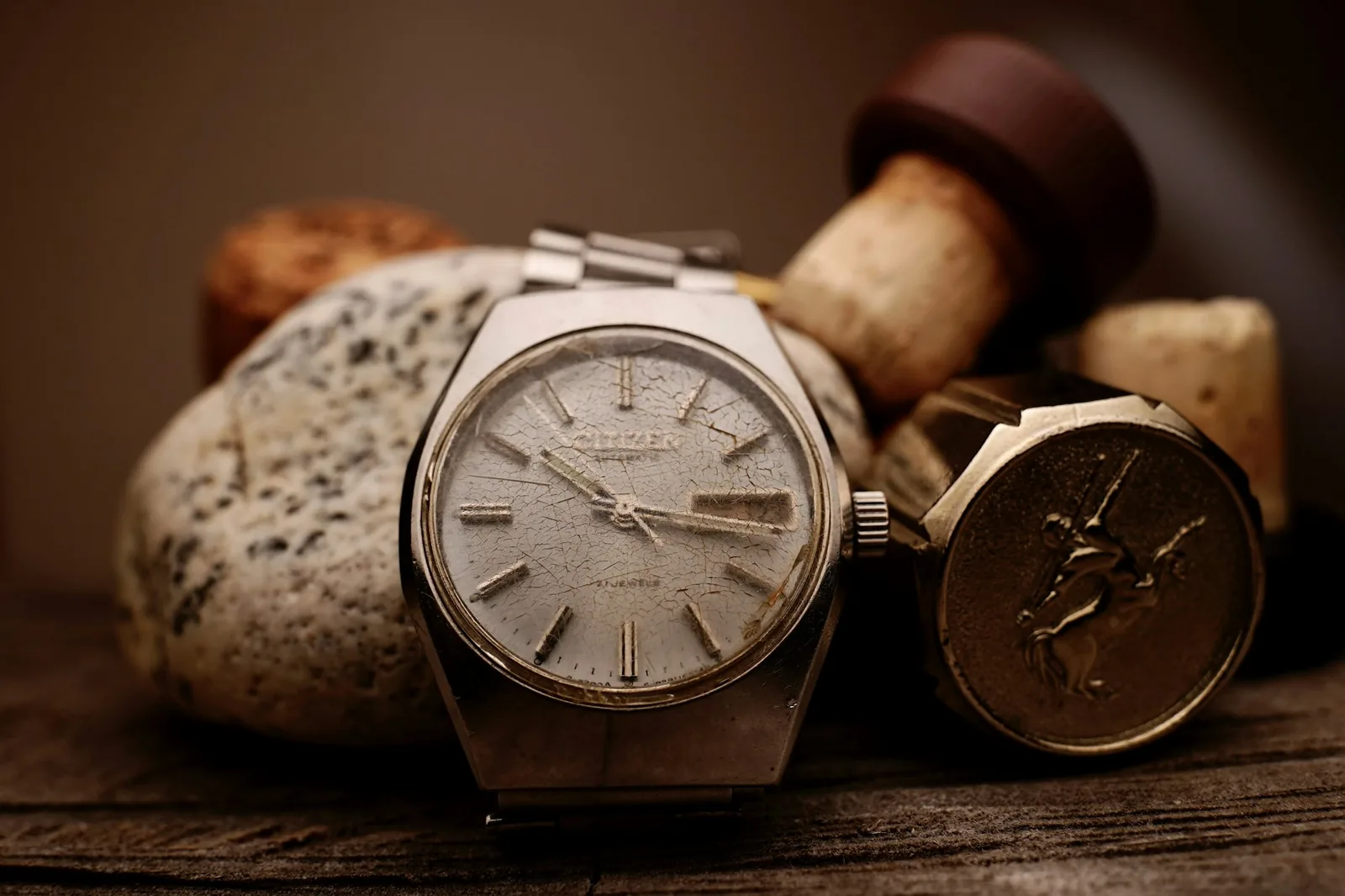
This is the fault most buyers miss because it makes a watch look better, not worse. A heavily polished case has had metal removed, and the crisp line between the brushed top of a lug and its polished flank goes soft.
Hold the watch at an angle to a light and look along the lugs. Sharp, defined edges are original; rounded, melted-looking ones are not.
It matters because it is irreversible. You can service a movement and replace a crystal, but you cannot put steel back.
The same logic applies to engraving on the case back. If the text looks shallow or ghosted, the case has been through a polishing wheel more than once.
What “serviced” should mean
The word does a great deal of work in listings and often means very little. Ask what was done, by whom and when.
A full service is a strip, clean, re-lubricate, replace worn parts, replace gaskets and regulate. A “service” that was a battery and a polish is not the same thing and should not be priced as though it were.
If there is no history at all, assume a service is due and treat the cost as part of the purchase price. Our guide to watch repair and service covers what that actually costs.
A watch that has sat unworn for years is not a watch that has been saved. Lubricants degrade on their own schedule, which the movements explainer covers in more detail.
Testing a watch you can hold
Five minutes with the watch in your hand answers most questions.
- Wind it and listen. A smooth, even sound is right; grinding or a gritty crown is not.
- Set the time and the date, through a full cycle. Sticky date changes and hands that jump are signs of wear.
- Check the crown screws down cleanly, without crossing the thread.
- Look at the bracelet edge-on. Visible gaps between links under its own weight mean stretch.
- Note the time, then check it again a few hours later. Wild variance is a fault, not a tolerance.
If you cannot hold it, ask for photographs at an angle rather than straight on, and of the case back, the clasp and the inside of the bracelet. Sellers with nothing to hide take them.
What a bargain usually costs
Price in the used market is a summary of everything above, and a listing well under the going rate is telling you which of those checks it will fail.
Sometimes that is fine. A watch with a scratched crystal and a tired bracelet at a heavy discount is a good buy, because both are cheap to put right and neither affects the movement.
Sometimes it is not. A watch discounted because it “just needs a service” is being sold by somebody who has priced the service and decided not to pay it, and their estimate is worth asking about.
The pattern to watch is a discount that is never explained. A seller who cannot say why their watch is cheaper than the others either does not know, which is its own problem, or does.
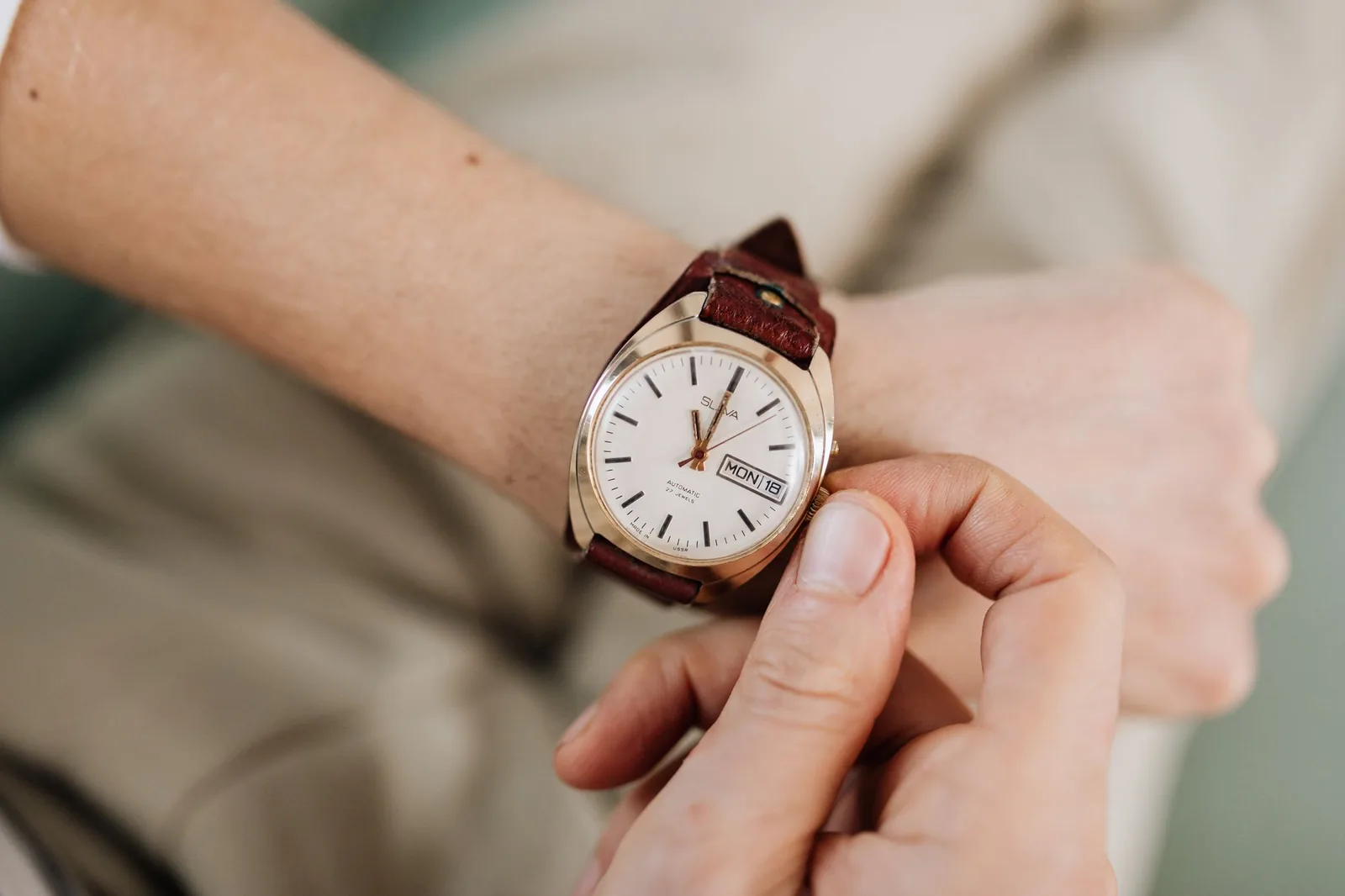
Paying, and what it protects
How you pay changes what happens if the watch never arrives or arrives wrong.
A card payment or a platform with buyer protection gives you a route to a refund. A bank transfer to a stranger gives you nothing but their goodwill.
That difference is worth more than the small saving a seller will offer for paying directly, which is precisely why they offer it. Pressure to pay outside a platform is the single most common feature of a bad sale.
Meeting in person removes most of it, and lets you do the five-minute test below with the watch in your hand.
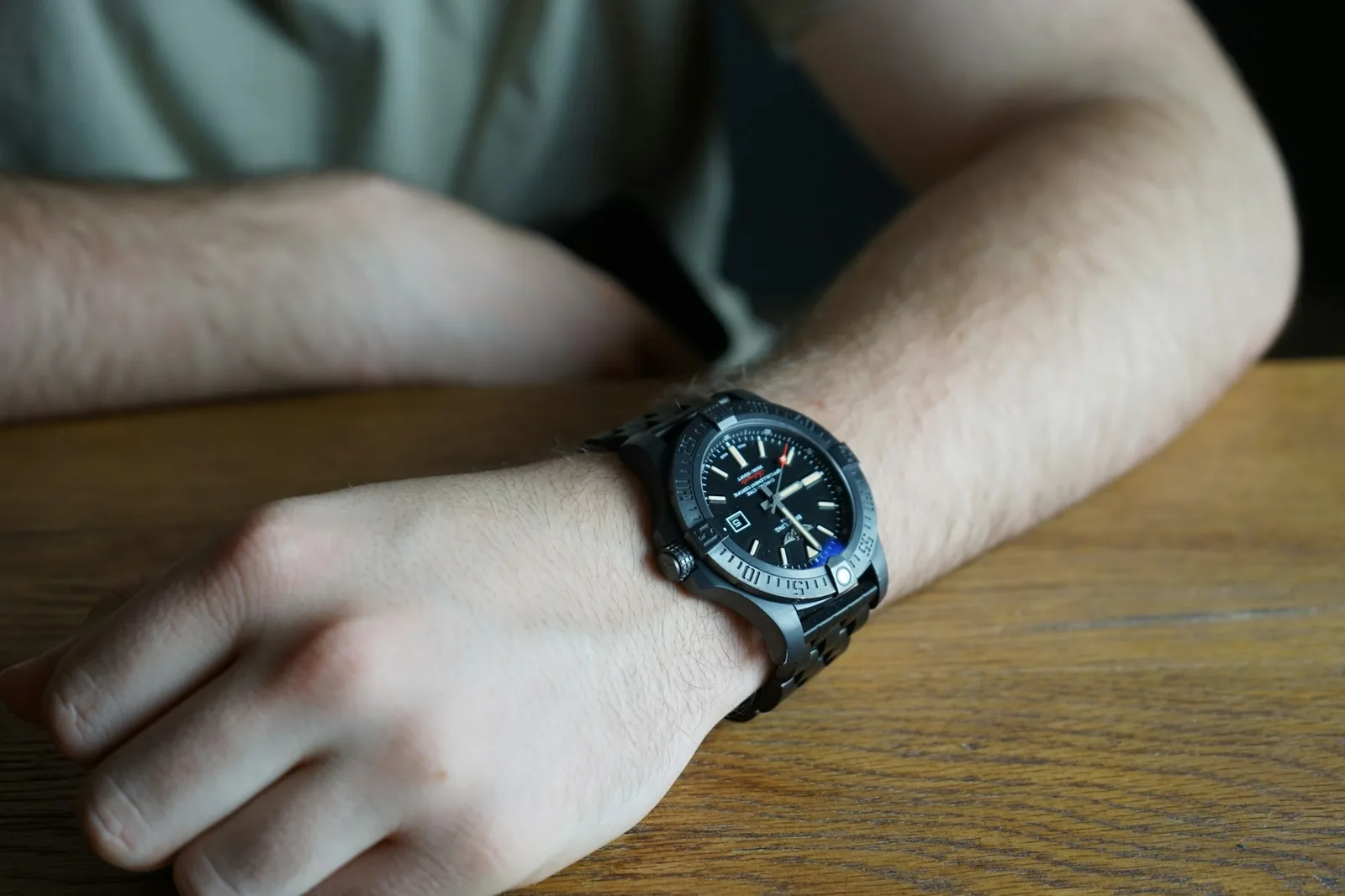
Where the archive helps
Knowing what a model originally came with is half of spotting a wrong part. This site preserves a complete retail catalogue from 2006 and 2007, including the specifications the shop published for each model.
That makes it a useful reference for anything from that era. The brand index lists every maker recorded, and the watch finder filters by movement, material and feature.
Prices in the archive are from 2006 and are not a guide to today’s market. They are a guide to where a model originally sat, which is often more useful than a current listing.
Frequently asked questions
Is it worth buying a used watch?
Usually yes, if you factor in a service. The saving on a pre-owned watch is real, but it is partly the previous owner passing on deferred maintenance, so treat the service cost as part of the price rather than a surprise.
What should I check before buying a pre-owned watch?
Service history first, then the dial, then the case for over-polishing. Those three decide whether the watch is a bargain or a project. Crystal, bracelet and paperwork matter, but they are cheaper to put right.
How can I tell if a used watch has been over-polished?
Look along the lugs at an angle to the light. On an original case the line between the brushed top and the polished flank is sharp; after heavy polishing it goes soft and rounded, and engraving on the case back looks shallow.
Does a used watch need a service straight away?
Assume so unless there is dated paperwork saying otherwise. A watch that runs is not the same as a watch that has been serviced, and running a dry movement wears the pivots while you enjoy it.
Settle the seller, then the service history, then the dial. Everything else on the list is negotiable, and knowing which faults are cheap is what turns a gamble into a purchase.