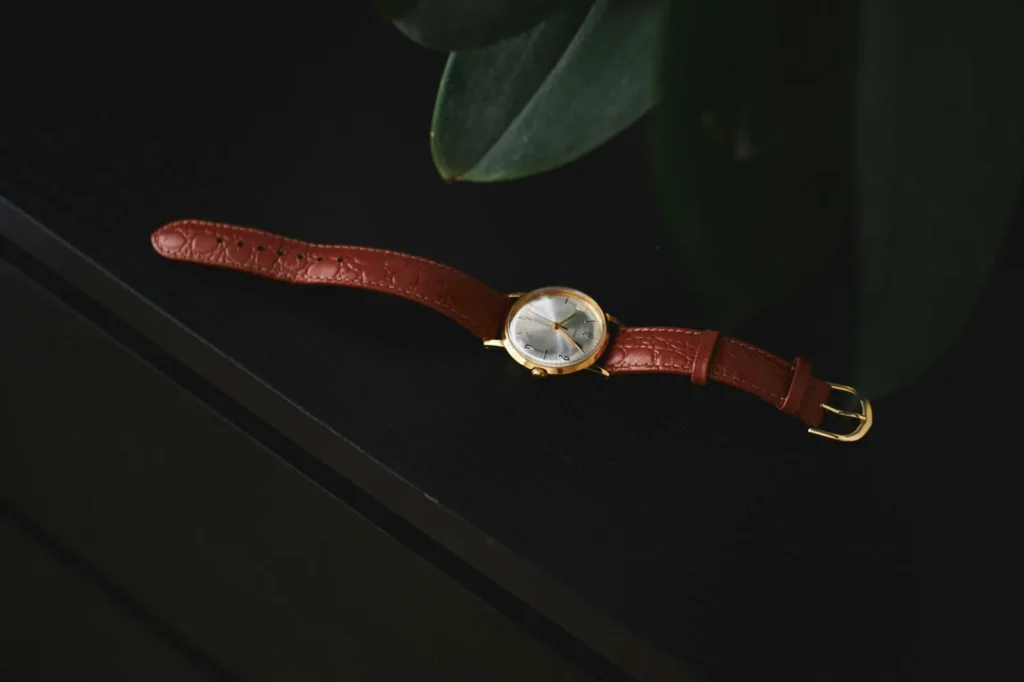
The dress watch is the one category where a modest budget is least of a handicap. Nothing about the brief requires an expensive movement, a deep case or a heavy bracelet — it requires restraint, and restraint is free.
This guide covers the specification rather than a shortlist: we do not sell watches and we do not quote current prices. The affordable watches guide covers where money goes at every budget.
What actually makes a watch a dress watch
It is a set of proportions, not a price bracket, and every one of them is achievable cheaply.
| Element | What the brief wants | Reachable under 150 dollars? |
|---|---|---|
| Thickness | Under 9mm, ideally 7 | Yes — quartz makes this easy |
| Diameter | 34–39mm | Yes |
| Dial | Plain, two or three hands | Yes |
| Strap | Smooth dark leather, slim buckle | Yes, often after replacing the fitted one |
| Crystal | Sapphire preferred | Sometimes; mineral is the usual compromise |
| Case finish | Polished, no bezel furniture | Yes |
Only one line in that table is genuinely hard at this price, and it is the crystal. Everything else costs the maker nothing extra to get right, which is why a cheap dress watch can look far more expensive than it is.
What to look for in a dress watch under 150 dollars
Thinness first, because it is the single strongest signal and the easiest to verify. A quartz movement is naturally slim, and at this budget quartz is the sensible choice — the first quartz guide sets out why that is not a compromise.
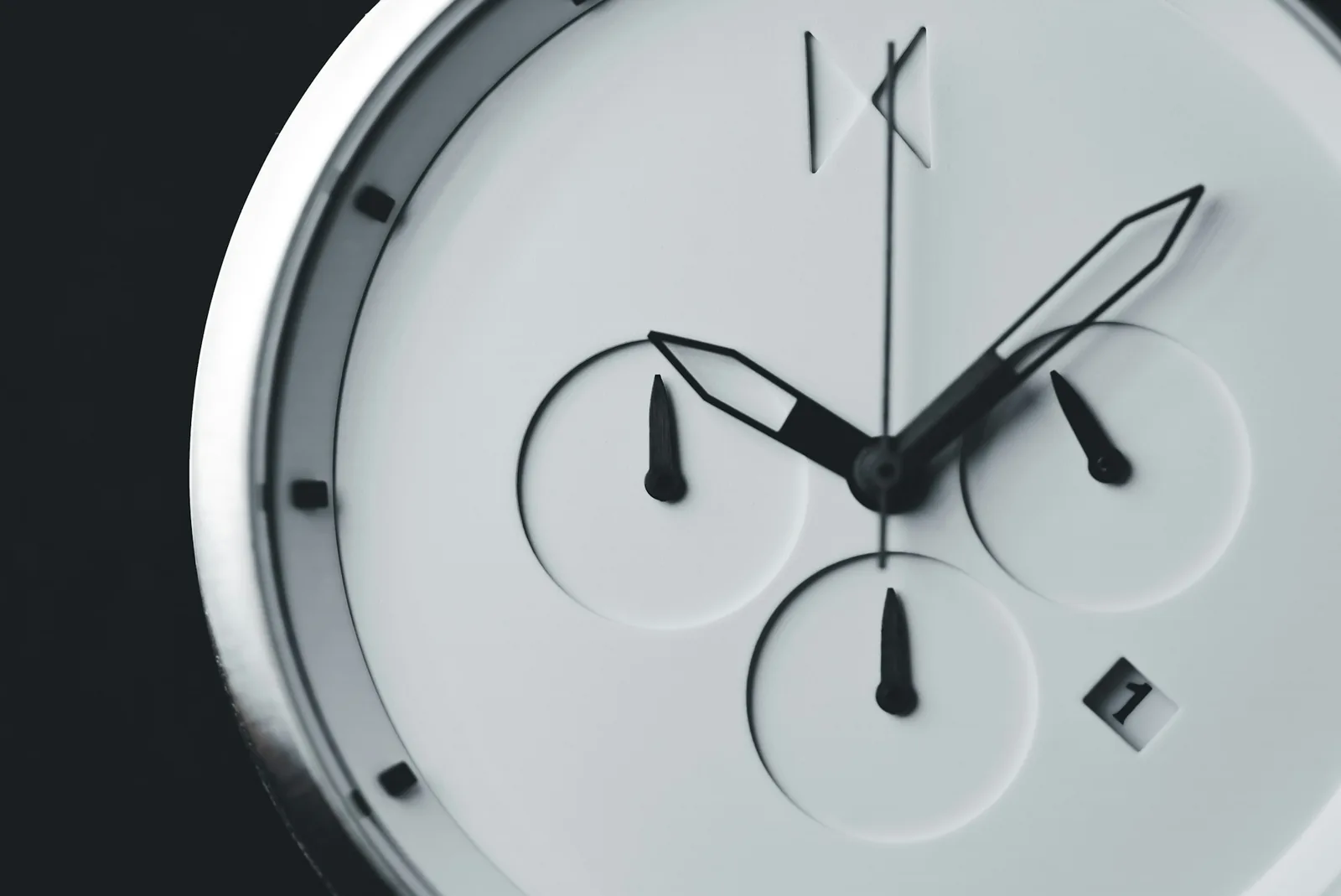
Then the dial. No date if you can avoid it, no subdials, no printed scales, and applied markers rather than printed ones if the budget stretches.
Then the case edge. Polished flanks with a clean line where they meet the brushed or satin top is what reads as care, and the quality guide explains how to check it in the hand.
And the lugs. Short, curved lugs sit flat on a wrist; long straight ones make a small watch look awkward, which is the opposite of the intent.
Features that matter in a dress watch under 150 dollars
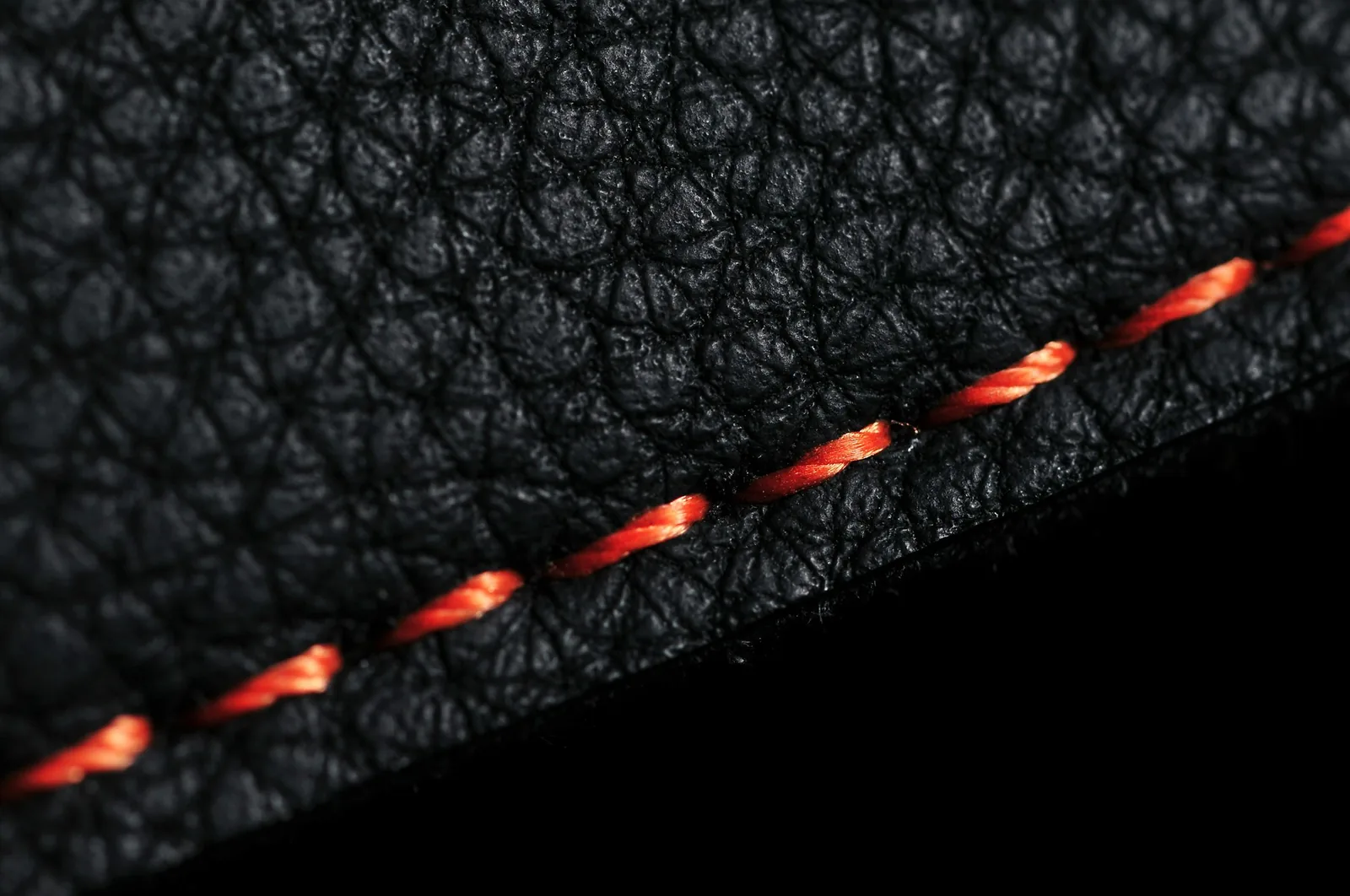
The strap is the highest-leverage upgrade in this entire category. The fitted strap on an inexpensive dress watch is almost always the weakest part, and a good calf or shell cordovan strap transforms it for very little.
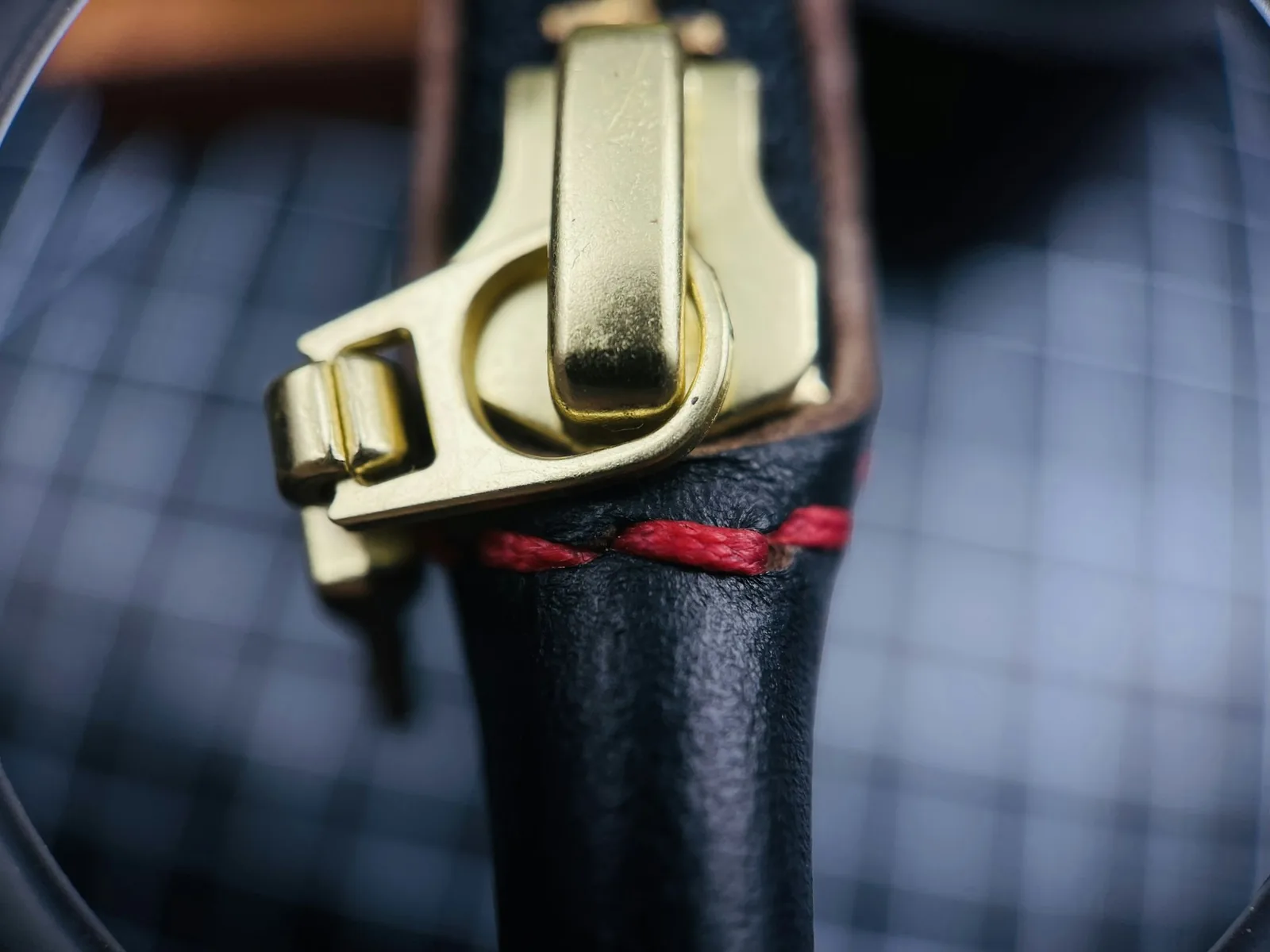
A slim buckle matters as much as the strap. A thick, chunky buckle undoes the whole effect from underneath, where you do not notice it until you take the watch off.
Water resistance can be low here without penalty, and this is the one category where that is true. A dress watch is not worn to the beach, and 30 metres is honest for a thin case with small gaskets.
What is not worth paying for is an exhibition case back. On a thin quartz watch there is nothing to see, and it adds height to the one dimension that matters.
Where the rules came from
It is worth knowing that the etiquette around dress watches is younger and more commercial than it sounds.
The wristwatch itself was considered unmanly in Britain until the First World War made it practical, and formal dress codes absorbed it only afterwards. Collections at institutions such as the Museum of London document how quickly everyday dress changed across that period.
The “no watch with black tie” rule, still repeated confidently, comes from an era when consulting the time in company was rude rather than from anything about the watch.
The useful residue is simple and worth keeping: a formal watch should be quiet, thin and easy to ignore. Everything beyond that is invented, and mostly by advertising.
A dress watch buying guide for beginners
- Set a maximum thickness of 9mm and refuse to move on it.
- Measure your wrist and stay between 34 and 39mm.
- Rule out dates, subdials and printed scales.
- Choose quartz and let the movement saving buy the case and dial.
- Budget for a strap alongside the watch, not later.
- Try it under an actual shirt cuff before deciding.
Step six is the whole test. A dress watch that catches on a cuff has failed at the only job it has.
What the archive shows about affordable dress watches
The 2006 and 2007 retail catalogue preserved on this site is a good reminder that this has always been the accessible end of the market.
Leather-strap watches in the catalogue start at $29.95 for a Timex and run through Citizen at $39, a Seiko women’s leather-strap watch at $79 and Bulova at $81 and $84 — all comfortably inside a $150 budget in period money, and all quartz.
Those are the shop’s own 2006 prices, preserved as historical record and long out of date.
Above that band the catalogue moves straight into Accutron territory, where the money went on sapphire crystals and bracelets rather than on being thinner. The dress brief did not get better as the price rose, which is exactly why it works on a budget. You can compare makers in the brand index.
Mistakes to avoid when buying a dress watch under 150 dollars
Buying a thick watch with a plain dial is the first, and it is the commonest. Plainness alone does not make a dress watch; a 13mm case reads as sporty whatever is printed on it.
Buying gold-plated is the second. Plating wears through at the lug edges and the case back within a couple of years, and base metal showing through is worse than steel ever looked — see the materials guide.
Keeping the fitted strap is the third, since it is the part the maker economised on and the part touching your skin all day.
And buying a dress watch as an only watch is the fourth. It is the one category that genuinely cannot cover a whole life, as the one-watch guide explains.

How often will you actually wear it?
This is the question worth answering honestly before spending anything, because it changes the sensible budget by a factor of three.
Most people attend far fewer formal occasions than they imagine. A wedding or two, a funeral, perhaps a work dinner — a handful of days a year, on which the watch is under a cuff and barely seen.
If that is your year, a hundred and fifty dollars is generous rather than tight, and the sensible move is to buy well within it and put the rest toward a watch you wear daily.
If you wear a suit most days, the calculation reverses. A dress watch worn four days a week is really an everyday watch that happens to be thin, and it deserves sapphire and a better strap.
Either way the answer comes from your diary rather than from a review. It is the one piece of research nobody else can do for you.
Frequently asked questions
Can a good dress watch cost under 150 dollars?
Yes, more easily than any other category. Thinness, a plain dial and a modest size cost the maker nothing extra, so a careful choice at this price can look considerably more expensive than it is.
How thin should a dress watch be?
Under 9mm, and 7mm is better. The test is whether it slides under a shirt cuff without catching. Past about 10mm the watch starts reading as a casual watch on a leather strap.
Should a dress watch be quartz or mechanical?
Quartz at this budget, without hesitation. It is thinner, more accurate, and it frees the money for the case, dial and strap — the parts anyone actually sees.
Does a dress watch need water resistance?
Very little. Thirty metres is honest for a thin case with small gaskets, and a dress watch is not worn to the pool. This is the one category where a low rating is not a warning sign.
Keep it thin, keep it plain, buy a better strap than the one it came with, and try it under a cuff before you commit. That is a dress watch, and the price is almost incidental.